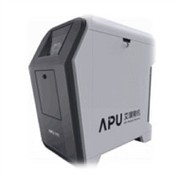
The use of oil-free scroll air compressor in aseptic filling line
Jun 23, 2025
Since many industries such as biopharmaceuticals and food packaging have high requirements for air cleanliness: ISO 8573-1 Class 0 (oil-free), there are also mandatory requirements for microbial restrictions: ≤1 CFU/m³ (GMP/FDA 21 CFR Part 11.
Therefore, even if the traditional oil-injected screw machine is equipped with a filter, oil vapor can still penetrate the filter element to contaminate the liquid medicine/food, resulting in batch scrapping.
The four-stage purification process of the oil-free scroll air compressor protects the aseptic filling line:
1. No oil at the source: dry compression of the scroll disc to eliminate the risk of lubricating oil contamination
2. High temperature sterilisation: exhaust temperature > 80℃ for 3 seconds, inactivating 99.9% of microorganisms
3. Condensation dehumidification: cyclone separation + condensation drainage, dew point ≤-40℃ (to prevent microbial growth)
4. Terminal filtration: 0.01μm ultra-fine filter element (intercepts residual particles/bacteria corpses)
Compared with traditional solutions: Oil-injected screw machines require additional activated carbon adsorption + steam sterilization units. This solution not only increases energy consumption but also makes maintenance complex.
Five core advantages of oil-free scroll air compressors in aseptic filling lines:
1. Zero microbial contamination, High temperature exhaust + oil-free design, Avoids recalls of millions of batches due to air pollution.
2. Reduces overall energy consumption Eliminates oil filtration/steam sterilisation Energy consumption is 40%+ lower than that of oil-injected screw machines.
3. No risk of chemical residues. No activated carbon adsorbent required. Meets FDA/EMA requirements for drug/food purity
4. Quiet operation <68dB(A) noise. Can be directly installed in a clean room (reduce pipeline contamination points)
5. No need for lubricating oil maintenance, 20,000 hours of bearing life. Saves 150+ maintenance hours per year, eliminating the risk of downtime pollution
⚠️ Key application scenarios and configuration points:
1. Biopharmaceutical filling line
Requirement: Class 100 clean area for filling (ISO Class 5)
Configuration: 316L stainless steel air cavity (corrosion resistant)
Antistatic vortex disk (anti-dust adsorption)
Redundant backup unit (N+1 to prevent air outage)
Case: A new crown vaccine factory uses a double vortex unit, and the air qualification rate has passed the FDA audit 100%.
2. Aseptic cold filling of beverages
Requirement: Acidic environment (such as orange juice), antibacterial
Configuration: Food-grade sealing materials (FDA 21 CFR certification)
Real-time dew point monitoring (to prevent condensation water from breeding mould)
Case: After the transformation of a juice factory, the frequency of microbial testing of the filling head was reduced from 1 time/hour to 1 time/shift.
3. Eye drops/injection filling
Requirement: Terminal air needs to be sterile and pyogen-free
Configuration: Add a 0.001μm sterilising filter at the end
Automatic sterilisation of pipeline SIP (Steam-in-Place)
Risk control: Filter integrity test twice per shift (bubble point method)·
Conclusion: In the field of aseptic filling, oil-free scroll air compressors have been upgraded from "optional equipment" to core compliance assurance. Its value is not only to provide clean air, but also to build a full-chain aseptic barrier from the compression source to the filling terminal, which is directly related to product safety and corporate survival.
The next issue will popularise the maintenance methods of oil-free scroll air compressors in aseptic filling line applications.