Pressure and PSIG
An air compressor’s primary goal is to pressurize intake air for various industrial processes. The ability of a compressor to pressurize air is measured in pounds per square inch gauge, or PSIG, which is a comparison of the pressure inside the tank and the barometric pressure. Barometric pressure is the amount of air pressure in the atmosphere.
Capacity and CFM
The capacity of an air compressor is the amount of air it can produce at a specific PSIG. This output capacity is measured in cubic feet per minute, or CFM.
Horsepower
All compressors have an engine and motor component. That motor drives a crankshaft which moves pistons that produce the compressed air through an intricate mechanical process.
Tank Size
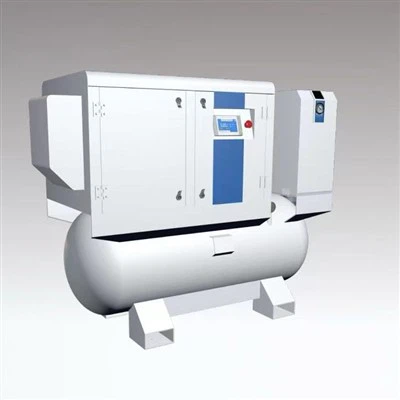
Most compressors have a tank to store pressurized air until you are ready to use it. Large tanks mean you can go longer without running the compressor motor, but you’ll have plenty of compressed air on hand to power your tools.
Duty Cycle
An air compressor’s duty cycle is the amount of time it can operate before it needs to shut down. The duty cycle is expressed as a percentage.
Motor Type
Most air compressors operate using standard, three-face induction motors. They are typically powered by electricity, diesel or natural gas. Electric motors are reliable, economical and capable of generating enough power for standard use at home or around your workshop or garage.
Lubrication
When an air compressor has movable parts, those components require lubrication to reduce wear-and-tear and prolong the machine’s life. Lubricated air compressors inject an oil-based solution into the compression chamber, which distributes it to the parts.
Rotary Screw
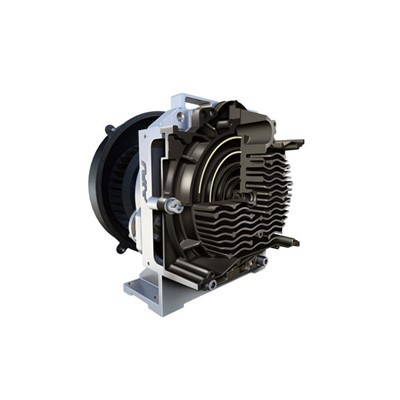
Rotary screw air compressor specifications refer to a positive displacement compression system powered by two counter-rotating helical screws, also called rotors.
Reciprocating Piston
Reciprocating or piston air compressor systems are positive displacement compressors that use a single-stage crankshaft-driven piston and cylinder to draw air in before expelling it into the storage tank.
Multi-Stage Systems
Multi-stage systems are reciprocating or piston air compressors that compress and cool the air using more than one cylinder. Multi-stage compressors deliver high volumes of compressed air and can power more than one tool at a time.
Regulation
An air compressor’s regulator maintains a constant pressure in the compressed air, and it is crucial in industries that require air with no fluctuation.
Cooling Features
Cooling an air compressor is essential to preventing failure during continuous use. Cooling features are also critical for preventing overheating, which can be dangerous for both your compressor and those operating it.
Air Treatment
Instead of using raw compressed air, you can implement several air treatment options in your workspace, including air compressor filters, condensate management products and air dryers.
Air Compressor Piping
Air compressor piping connects your air compressor to all the devices that use its energy. High-quality piping and professional installation are crucial for sufficient air movement.
Mounting Options
Compressors come in all shapes, sizes and configurations. Not every business or workshop has the same amount of space, and that’s where portability and mounting options are useful.
Efficiency
Your air compressor’s efficiency refers to how well it operates, how it minimizes energy waste and how effectively it compresses high-quality air.