

What is the noise level of an oil - free air compressor?
Jul 09, 2025
Hey there! As a supplier of oil-free air compressors, I often get asked about the noise level of these machines. It's a crucial factor, especially for those who plan to use them in environments where noise can be a real issue, like workshops, offices, or even at home. In this blog, I'll break down what you need to know about the noise level of oil-free air compressors.
What Causes Noise in Oil-Free Air Compressors?
Before we dive into the noise levels, let's understand what makes these compressors noisy in the first place. There are a few key factors:

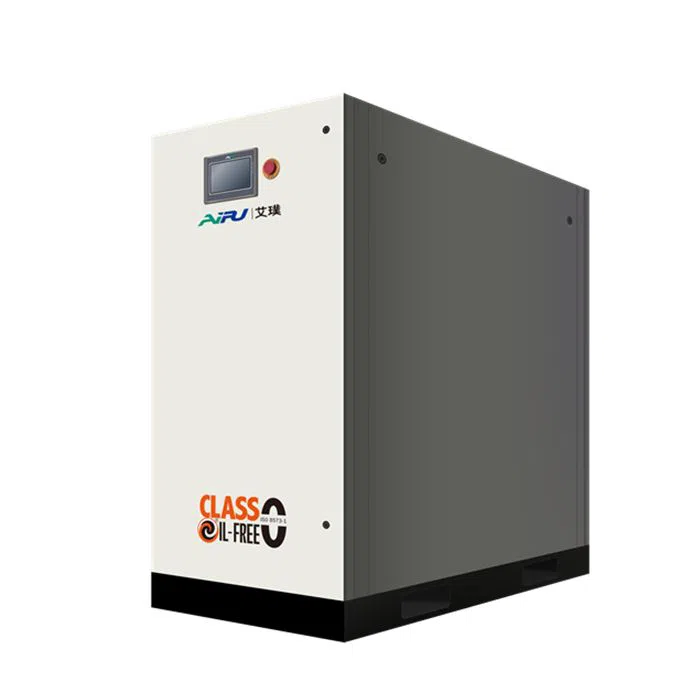
- Motor Operation: The motor is the heart of the air compressor. When it runs, it generates mechanical vibrations that translate into noise. The more powerful the motor, the more noise it's likely to produce. For instance, a high-capacity compressor used in industrial settings will have a larger motor and thus might be noisier compared to a small, portable one for home use.
- Air Intake and Exhaust: As the compressor takes in air and then expels it, there's a flow of air that can create a whooshing or whistling sound. This is similar to the noise you hear when you blow air through a straw. The design of the intake and exhaust ports can significantly affect how loud this noise is.
- Moving Parts: Inside the compressor, there are various moving parts like pistons, valves, and belts. These parts rubbing against each other or hitting other components can generate rattling or knocking sounds.
Measuring Noise Levels
Noise is measured in decibels (dB). A whisper is about 30 dB, normal conversation is around 60 dB, and a lawnmower can be around 90 dB. For oil-free air compressors, the noise level can vary widely depending on the type, size, and design.
- Small Portable Compressors: These are often used for light tasks like inflating tires or powering small pneumatic tools. They typically have a noise level in the range of 60 - 70 dB. That's about as loud as normal conversation, so they're relatively quiet and won't cause too much disturbance.
- Medium-Sized Compressors: For more heavy-duty tasks in workshops, the noise level can be between 70 - 80 dB. This is similar to the noise level of a vacuum cleaner. While it's a bit louder, it's still manageable in a well-ventilated workshop.
- Large Industrial Compressors: These big machines can reach noise levels of 80 - 90 dB or even higher. At this level, it's comparable to a motorcycle or a power drill. Prolonged exposure to such high noise levels can be harmful to your hearing, so proper hearing protection is essential.
Factors Affecting Noise Levels
- Design and Build Quality: A well-designed compressor with high-quality components is likely to be quieter. For example, compressors with better insulation around the motor and other noisy parts can reduce the amount of noise that escapes. Some compressors also have special mufflers or silencers installed at the intake and exhaust ports to dampen the sound.
- Operating Pressure: The higher the pressure the compressor needs to reach, the more work the motor has to do, and the louder it can get. So, if you're using a compressor at a very high pressure for an extended period, it's going to be noisier than when it's operating at a lower pressure.
- Maintenance: Regular maintenance is crucial for keeping the noise level down. If the moving parts are well-lubricated and properly aligned, they'll make less noise. On the other hand, a neglected compressor with worn-out parts can be extremely noisy.
Quiet Oil-Free Air Compressor Options
If noise is a major concern for you, there are some types of oil-free air compressors that are designed to be quieter.
- Direct Driver Air Compressor: These compressors have fewer moving parts compared to traditional belt-driven compressors. With less friction and fewer components that can rattle, they tend to be quieter. They're also more compact and efficient, making them a great choice for those who need a quiet yet powerful compressor.
- Water Cooling Oil Free Air Compressor: Water-cooled compressors are generally quieter than air-cooled ones. The water acts as a buffer, absorbing some of the heat and vibrations that can cause noise. This type of compressor is often used in industrial settings where noise reduction is a priority.
- 3.7kW(5hp)Scroll Compressor Air - end: Scroll compressors are known for their quiet operation. They use a unique design with two spiral-shaped scrolls that move in a way that minimizes noise and vibration. This makes them ideal for applications where noise needs to be kept to a minimum, like in medical facilities or laboratories.
Why Noise Matters
You might be wondering why the noise level of an oil-free air compressor is such a big deal. Here are a few reasons:
- Comfort: If you're working in an environment where you'll be around the compressor for long periods, a noisy machine can be very uncomfortable. It can make it hard to concentrate, have conversations, or even cause stress.
- Safety: High noise levels can be a safety hazard. They can mask other important sounds like alarms or warning signals, increasing the risk of accidents. Also, prolonged exposure to loud noise can lead to hearing loss.
- Neighborhood and Workplace Regulations: In many areas, there are regulations regarding noise levels in both residential and commercial settings. If your compressor is too loud, you could face fines or legal issues.
Tips for Reducing Noise
If you already have an oil-free air compressor and it's a bit too noisy, there are some things you can do to reduce the noise:
- Isolate the Compressor: Place the compressor on a vibration-absorbing mat or in a soundproof enclosure. This can help reduce the amount of noise that travels through the floor and into the surrounding area.
- Regular Maintenance: As mentioned earlier, keeping the compressor well-maintained can significantly reduce noise. Make sure to clean the air filters, lubricate the moving parts, and check for any loose components.
- Proper Installation: Install the compressor in a well-ventilated area away from living or working spaces. You can also use ducting to direct the intake and exhaust air outside, which can help reduce the noise inside the building.
Conclusion
So, there you have it! The noise level of an oil-free air compressor can vary depending on many factors, but there are options available for those who need a quiet machine. Whether you're a DIY enthusiast looking for a quiet compressor for your home workshop or an industrial user with strict noise regulations, we have the right solution for you.
If you're interested in learning more about our oil-free air compressors or want to discuss your specific needs, don't hesitate to reach out. We're here to help you find the perfect compressor that meets your requirements in terms of performance and noise level.
References
- Compressor Handbook: A Comprehensive Guide to Compressor Technology
- Noise Control Engineering: Principles and Applications